


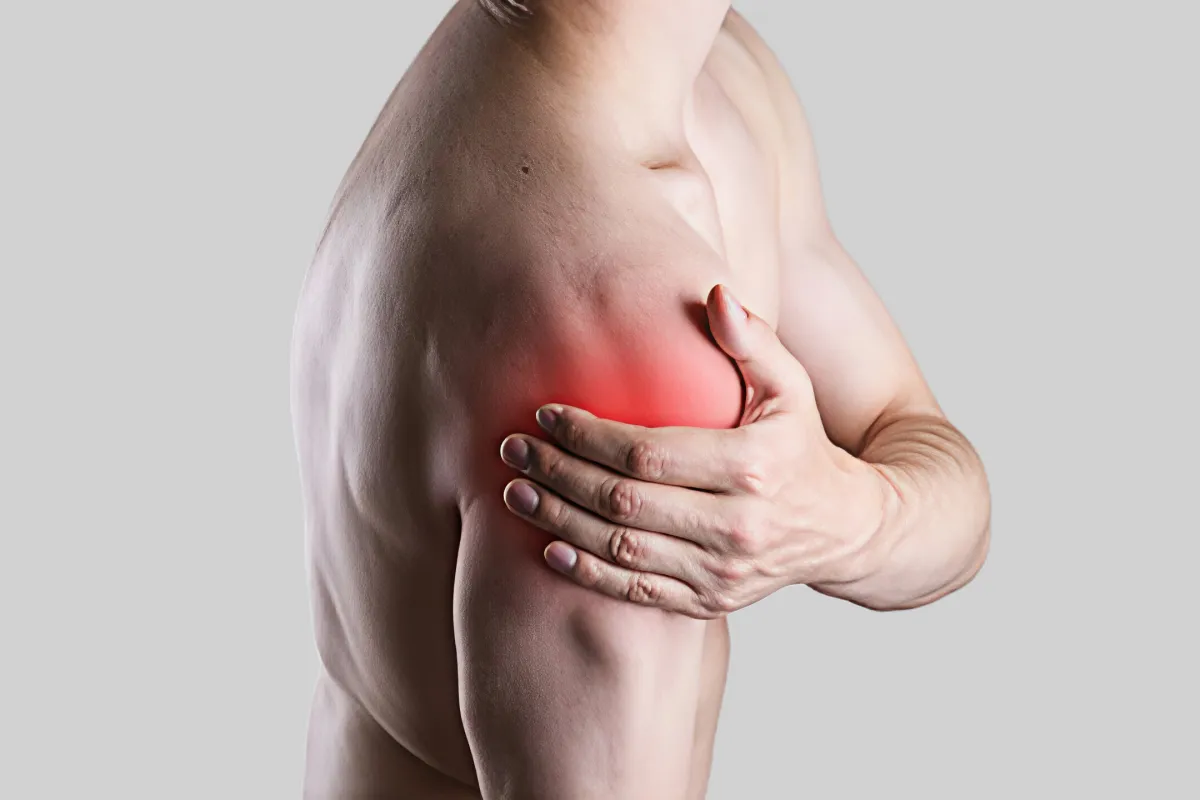
Neck and Shoulder Stretches for Tension
Neck and Shoulder Tension? Try these stretches for instant relief
Neck pain, or cervicalgia, is pain in or around your spine beneath your head. When experiencing neck pain, you may experience a persistent ache, a stabbing or burning pain, and/or a shooting pain that travels from the neck to the shoulders or arms. Other symptoms can include headaches, stiffness, being unable to tilt your neck and numbness. If this is you, don’t worry--neck and shoulder pain is common, with 10-20% of adults experiencing this.
Causes of Neck Pain
Aging
Natural wear and tear can cause parts of cervical spine to deteriorate, causing pain. Conditions such as osteoarthritis and spinal stenosis can lead to neck pain. Additionally, stress and repeated movements can cause the disks in your spine to weaken, which can lead to herniated disks and pinched nerves.
Physical Strain
Overusing neck muscles during repetitive or strenuous activity can lead to stiffness and pain. Poor posture, weak abdominal muscles, and heavier body weight can affect spine alignment and contribute to neck pain. A common cause of neck pain is straining your neck to view a computer screen for extended periods of time.
Mental Stress
A common activity when people are experiencing stress is to tighten the neck muscles. However, this can lead to neck pain and stiffness and many people don't realize they do this until their neck starts hurting.
Injury
Trauma and other injuries can lead to neck pain. Whiplash from car accidents is also a common injury that causes neck pain.
Growths
Masses, including tumors, cysts, and bone spurs, can put pressure on the nerves in your neck, causing pain.
Other health conditions
Neck pain is a symptom of several health conditions, including meningitis, rheumatoid arthritis, and cancer.
Prevention Strategies for Neck Pain
Practice Good Posture
Position devices so you don’t have to slouch or strain your neck when using them. Keep your shoulders aligned and back straight when seated so you are not straining.
Adjust your sleep position
If you are a side sleeper, use a pillow to support your head so the head and neck are aligned with the rest of your body. When sleeping on your back, place a pillow underneath the knees to take additional pressure off of your low back. When possible, avoid sleeping on your stomach with your head turned.
Stay active
Take breaks to move around and stretch your entire body, including the neck muscles. Try some of the movement snacks for ideas!
Don’t carry heavy weight on shoulders
Avoid carrying heavy objects like book bags or suitcases over your shoulder. As an alternative, use luggage or bags with wheels.
Movement Snacks for Neck and Shoulder Pain
For neck tension, here are some movement snacks you can try! Choose 1-2 every hour, and complete 5 x 10 seconds on each side.
Neck Rotations
Slow movement to each side, don’t force.

Chin Tuck
Retract head back, don’t nod

Upper Trapezius Stretch
Light pressure, keep head retracted

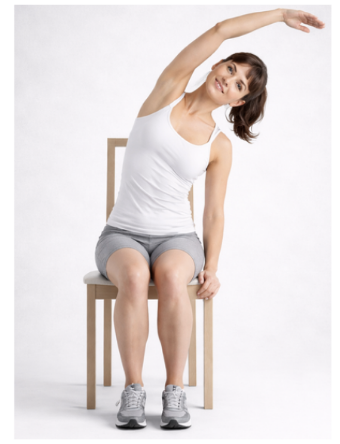
Side Bend Stretch
Keep shoulders relaxed, don’t force
Conclusion
Neck and shoulder pain can be irritating, but with these stretches and prevention strategies, you can deal with it better. Schedule your consultation in Wisconsin and start feeling better today! If this resonates with you, share this blog with people who need it.