


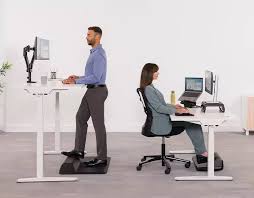
Mythbusting misconceptions: Ergonomics edition
Mythbusting misconceptions: Ergonomics
Myth #1: Ergonomics is not a science.
Fact: Ergonomics involves a mix of several sciences. In order to perform effective ergonomic risk assessments, knowledge of anatomy and physiology, biomechanics, physics, statistics, and epidemiology are required. Universities offer degrees in ergonomics and coursework requirements involve science classes.
Myth #2: Ergonomics is costly.
Fact: A good ergonomics program not only reduces injury, but also reduces cost and increases productivity. The United States General Accounting Office published a report in 1997 that studied a number of companies in widely different sectors. In this report, it was determined that each company was able to reduce injuries, improve morale, and reduce overall costs. Additionally, the OSHA website includes success stories from many business sectors that demonstrate the effectiveness of ergonomics to these companies’ bottom lines.
Myth #3: Fixing ergonomic problems will slow production.
Fact: There are a plethora of simple, inexpensive, and quick fixes to eliminate ergonomics problems. Additionally, there is proven evidence that shows that ergonomics programs increased efficiency and productivity in workplaces. This assures that American companies are able to compete and serve as places of employment. The National Institute for Occupational Safety and Health (NIOSH) website has several examples of cost-effective ergonomics programs and interventions.
Myth #4: Many of these problems are due to outside activities like bowling, knitting, gardening, home repair, or sports.
Fact: Our bodies respond the same way whether the excessively physically demanding activity being done is on or off the job. In order to determine the cause of ergonomic problems, there is an evaluation process that needs to be conducted. As an example, if someone is exposed to loud noise outside of work and does not have the proper protection, the effects of this exposure may appear in an audiogram at work.

Myth #5: Ergonomic assessments are complicated.
Fact: Some ergonomic risks (force, frequency, posture) are easy to spot and fix, while others may require more detailed review by a trained professional. At Ergo in Motion, we offer ergonomic assessments to help improve your comfort and productivity, and we also offer a wide variety of ergonomic products to meet your office needs.

Conclusion
Did you believe any of these myths? Are there any that we are missing? Let us know in the comments. If you need ergonomic help, schedule a consultation with Ergo in Motion and start feeling better today!