



Carpal Tunnel Prevention
I’m sure you’ve heard of carpal tunnel syndrome, but what exactly causes it and how do we prevent it? In this blog post, we will define what carpal tunnel syndrome is, symptoms, causes, and prevention strategies.
What is Carpal Tunnel Syndrome?
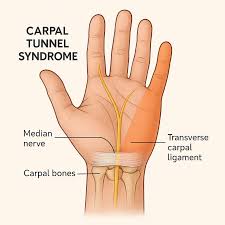
Believe it or not, carpal tunnel syndrome is one of the most common hand conditions. It is caused by pressure on the median nerve in the carpal tunnel of the wrist. What is the carpal tunnel? This is a narrow passageway surrounded by bones and ligaments on the palm side of the hand. When the median nerve is compressed, symptoms can include numbness, tingling, and weakness in the thumb and fingers.
Symptoms of Carpal Tunnel Syndrome
Symptoms of Carpal Tunnel Syndrome typically start gradually. One symptom of Carpal Tunnel is numbness or tingling in the fingers or hand. The thumb, index, middle and ring fingers are usually affected, but not the pinky finger. When you feel numbness or tingling, it may feel like an electric shock. These symptoms most commonly appear while holding a steering wheel, phone or newspaper, and they can even wake you up when you are sleeping. Another primary symptom of Carpal Tunnel Syndrome is weakness, primarily occurring in the hands. Due to the weakness, it is common to drop objects.
Causes and Risk Factors of Carpal Tunnel
Carpal Tunnel Syndrome is caused by pressure on the median nerve, so anything that squeezes or irritates this nerve can lead to Carpal Tunnel Syndrome. Something as simple as a wrist fracture can also lead to Carpal Tunnel, as this irritates the nerve. Rheumatoid arthritis or other diseases that cause swelling can also lead to Carpal Tunnel Syndrome. Risk factors for this include sex assigned at birth, as women experience Carpal Tunnel Syndrome more frequently due to the carpal tunnel area being smaller in women than men, or due to hormones on the lining of the tendons of the carpal tunnel area. Nerve-damaging conditions such as diabetes can increase the risk of developing Carpal Tunnel. If you work on an assembly line or work with vibrating tools, this is also a risk factor for developing Carpal Tunnel Syndrome.
Prevention Strategies
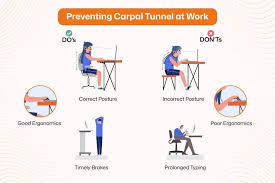
Carpal Tunnel Syndrome sounds scary, but it can be prevented with a few simple strategies. First, reduce your force and relax your grip. For example, if you work with cash registers or keyboards frequently, hit the keys softly. Taking short, frequent breaks can also help prevent Carpal Tunnel Syndrome! It is also important to watch your form, specifically by ensuring that you don’t bend your wrist all the way up or down when using a keyboard. When using a computer mouse, ensure that it is comfortable to use and doesn’t strain your wrist. Lastly, keep your hands warm as you are more likely to develop hand pain and stiffness if you work in a cold environment, but if you cannot control the temperature at work, consider putting on fingerless gloves that keep your hands and wrists warm.
Conclusion
If you feel like you are slowly developing Carpal Tunnel Syndrome, make sure you follow us on Instagram, LinkedIn, and Facebook to see our Movement Snacks to prevent Carpal Tunnel from worsening or developing. Do not hesitate to reach out to Ergo in Motion for a consultation and see how we can help you start feeling better today!